_Nero_AI_Image_Upscaler_Photo_Face.png)
The Rise of Organic Vanilla from Uganda: A Sweet Opportunity for Buyers

Updated: May 19, 2025
Uganda, often called the “Pearl of Africa,” is now a top source for high-quality vanilla beans that rank among the best in the world. With its special climate and fertile soil, Uganda offers perfect conditions for vanilla cultivation. Furthermore, the increasing popularity of gourmet food is raising demand for Ugandan vanilla. This article looks into the regions where vanilla is grown, the curing techniques used, the rising demand in gourmet markets, pricing trends, and the advantages of Ugandan vanilla's shelf life. Each aspect highlights why Ugandan vanilla is a sweet opportunity for buyers.
Uganda’s Vanilla-Growing Regions
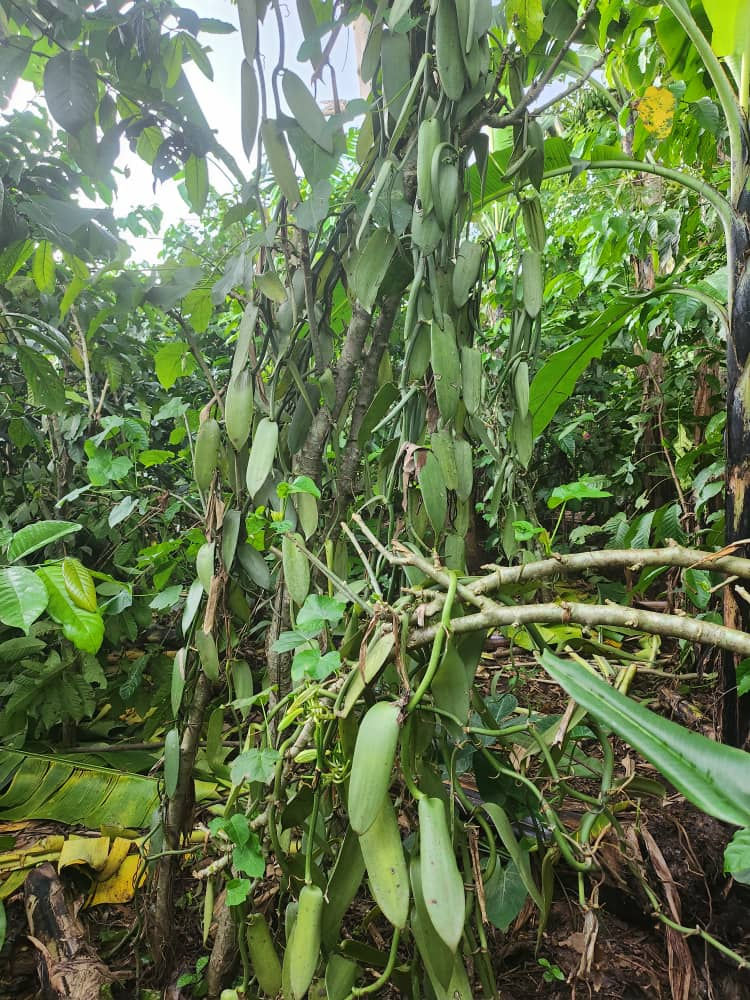
The primary regions for vanilla cultivation in Uganda are Masaka, near Lake Victoria, and the northern areas like Apac and Lira. These locations benefit from rich volcanic soil, consistent rainfall, and ideal temperatures, all of which contribute to the unique quality of their vanilla.
Specifically, Masaka is renowned for its distinct flavor profile, largely stemming from these conducive growing conditions. Many farmers in this region practice organic farming, responding to the growing consumer demand for natural products. In fact, about 60% of Ugandan farmers have now adopted organic methods, reflecting a shift towards sustainable farming practices.
The combination of high altitude, humidity, and appropriate sunlight results in vanilla beans that not only contain a strong aroma but also boast a flavor profile unlike any other vanilla produced globally.
Curing Techniques
Curing is essential in transforming raw vanilla beans into the aromatic spice used worldwide. In Uganda, farmers use both traditional and modern curing methods, focusing on preserving the vanilla's natural flavors.
Typically, the curing process involves briefly blanching the beans in hot water. They are then stored in airtight containers to promote the development of essential oils and flavor compounds. After curing, the beans undergo sun drying, a step that enhances their aroma.
Farmers meticulously select their beans during the curing process, ensuring they prioritize quality over quantity. This attention to detail aligns with organic farming principles and upholds sustainable practices. Research indicates that proper curing can improve the vanilla's flavor intensity by up to 30%.

Growing Demand in Gourmet Markets
The demand for high-quality, organic ingredients has skyrocketed, especially in gourmet markets. Chefs and home cooks are increasingly choosing Ugandan vanilla due to its rich taste and ethical sourcing.
The rise of health-conscious consumers has also significantly boosted the need for organic vanilla. With 15% of consumers seeking natural alternatives to artificial flavorings, Ugandan vanilla has become a favorite among gourmet food producers.
Additionally, the global shift toward sustainability has made consumers more discerning. Ugandan vanilla, with its organic certification and small-scale farming practices, resonates with those who aim to support local farmers and sustainable agriculture.
Pricing Trends
Over the years, the pricing of Ugandan vanilla has seen considerable fluctuations driven by global market demand, climate conditions, and production levels. In recent years, the price range has elevated, making vanilla one of the most expensive spices globally.
As of 2023, pricing for Ugandan vanilla varies between $200 and $400 per kilogram. This fluctuation depends on quality and curing methods. Despite the rising costs, buyers often find that the unmatched flavor and organic quality of Ugandan vanilla make it worth the investment.
The heightened demand from gourmet markets has helped stabilize pricing, allowing farmers to maintain sustainable livelihoods. It is anticipated that this trend will continue as culinary professionals increasingly seek out top-tier vanilla for their creations.
Shelf-life Advantages
One of Ugandan vanilla's standout features is its long shelf life, especially when properly cured and stored. When kept in a cool, dark place, vanilla beans can last up to two years without losing flavor or aroma. This durability makes Ugandan vanilla an appealing choice for both retailers and consumers, allowing them to enjoy its rich essence in various culinary applications over time.
Moreover, the oils in vanilla beans remain stable over extended periods. This means that dishes made with Ugandan vanilla maintain their flavor profile even after significant storage time. Such advantages reduce waste and create convenience for chefs and home cooks who prioritize high-quality ingredients.
Sweet Opportunities Await
The rise of organic vanilla from Uganda presents an exciting opportunity for buyers in the ever-changing gourmet market. With its perfect growing conditions, careful curing techniques, and increasing demand from health-conscious consumers, Ugandan vanilla is firmly establishing itself as a premium product.
As pricing trends stabilize and consumers recognize its shelf-life benefits, the potential for Ugandan vanilla is vast. By investing in this remarkable spice, buyers can embrace not only culinary excellence but also support sustainable farming practices and local Ugandan farmers.
In today’s food scene, where ingredient quality matters most, Ugandan vanilla isn't just a flavor enhancer; it also champions ethical sourcing and sustainable practices. With demand on the rise, now is the ideal time for buyers to explore this sweet opportunity.


Comments